
In the Adirondacks, the internet doesn’t go down because of a data-center failure in some distant city. It goes down because a storm rolls through, a tree limb comes off, and a wire ends up on the ground. If your business runs on that wire, you’re closed until someone climbs a pole.
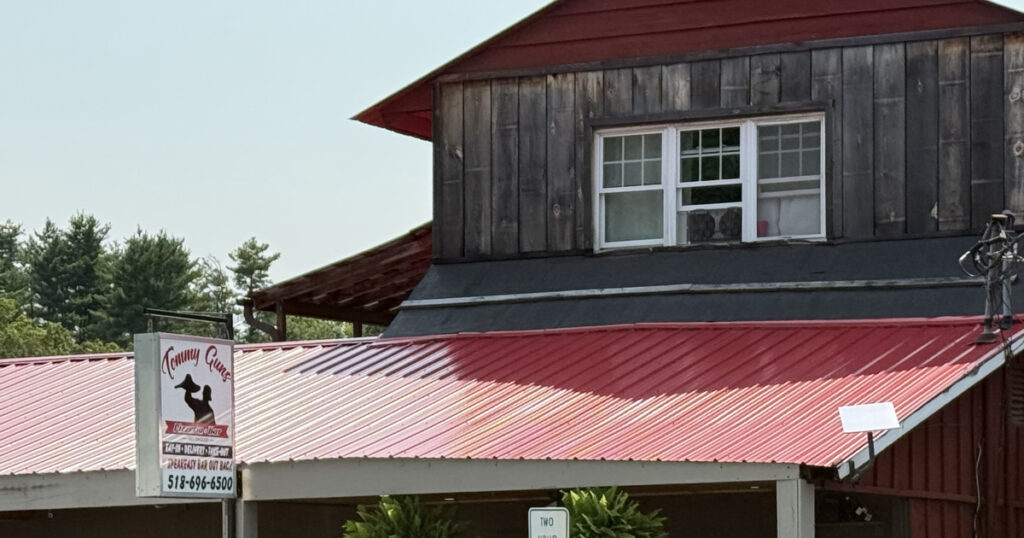
Tommy Guns Pizzeria has been feeding Warrensburg since 2018, and now runs two locations — TG South on Main Street in Warrensburg and TG North on US-9 in Chestertown. Hand-breaded cutlets, scratch-made meatballs, dough and rolls made in-house, a speakeasy-style bar out back, patio seating, and live music from local artists. It’s a busy, high-energy room. It’s also, whether the guests realize it or not, a room that depends on a working internet connection from the moment the doors open.
What was actually breaking
Before Adaptive IT took over the account, the pattern was predictable in the worst way:
- The music would stop. Daily. Tommy Guns pipes Sonos audio to every zone — dining room, bar, patio. When the connection dropped, so did the soundtrack.
- The TVs would stop streaming. Multiple screens throughout the restaurant, all pulling from the internet. No connection, no game, no crowd.
- Orders were exposed. Tommy Guns runs SpotOn as their point-of-sale, tying front-of-house and back-of-house together. When the network goes, the smooth handoff between the counter and the kitchen goes with it — during a dinner rush, that’s not an inconvenience, that’s revenue.
The Warrensburg location looked like it had redundancy. It had Spectrum service with two routers, which sounds like a backup plan right up until you trace both of them back to the same provider and the same line coming into the building. When Spectrum went down, both went down together. Two routers on one circuit isn’t redundancy — it’s one point of failure with extra hardware attached to it.
“Up here, the internet doesn’t fail in a data center — it fails when a limb takes down a wire. If your backup runs on that same wire, you don’t have a backup. Pairing a cable provider with Starlink over UniFi gives a business two genuinely independent ways to stay online.”
— Glenn Kupsch, President, Adaptive IT
What we changed
Adaptive IT rebuilt both locations on UniFi network equipment and gave each one two genuinely independent paths to the internet: Spectrum and Starlink.
That second word matters — independent. Spectrum comes in over the same aerial infrastructure that storms knock down. Starlink comes in from overhead, on a completely separate network, with no wire between the restaurant and the outside world. A limb that takes out the cable line has no effect whatsoever on the dish. The two failure modes don’t overlap, which is the entire point of a redundant design.
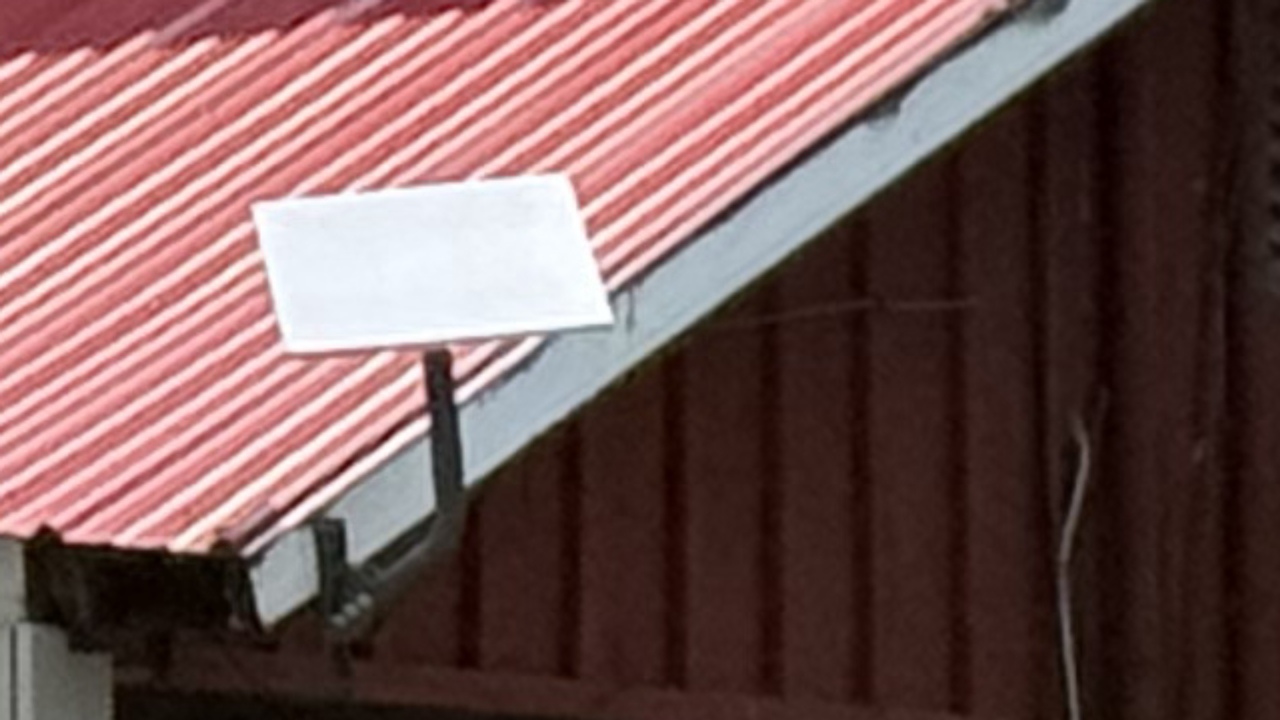
The UniFi gear is what turns two connections into one seamless experience. Rather than asking staff to notice an outage and manually switch something over — during a rush, with a full dining room — the network handles it. The failover happens at the gateway, and the devices downstream (the Sonos zones, the streaming TVs, the SpotOn terminals) keep doing what they were doing. Every site is also visible to us remotely, so we can see a circuit flapping and act on it before anyone at the restaurant files a complaint.
Why this applies well beyond pizza
Tommy Guns is a restaurant, but the shape of the problem is universal. Somewhere in your business there is a system that quietly assumes the internet is always there:
- Payments. Cloud point-of-sale, card readers, online ordering — all of it needs a path out.
- Phones. VoIP goes down with the circuit. So does your ability to tell customers you’re still open.
- Cloud apps. Microsoft 365, your scheduling platform, your inventory system, your booking tool.
- Cameras and access control. The systems you rely on most during an incident are often the first to go dark.
- Atmosphere. Underrated. Music and screens are part of what customers are paying for.
And the fix is more accessible than most owners assume. Business-grade satellite service has gotten genuinely good, and modern network hardware can arbitrate between two connections automatically. You no longer need an enterprise budget to build a network that survives a bad afternoon.
The one question worth asking
If you already have a backup connection, ask the question Tommy Guns’ setup answers the hard way: does my backup fail for the same reasons my primary does? Two circuits from the same provider, two routers on the same line, two paths down the same pole — those aren’t backups. They’re the same connection wearing a different hat.
Real redundancy means different providers, different physical paths, and hardware smart enough to switch without anyone noticing. That’s what’s running at both Tommy Guns locations today.
Next time you’re in Warrensburg or Chestertown, get sauced — the pizza’s excellent and the music will be playing.
Is your business one storm away from closing early?
Adaptive IT designs and manages resilient networks for businesses that can’t afford to be offline. If you’d like us to look at what happens to your operation when your primary connection fails, get in touch — we’ll walk your setup and tell you honestly whether your redundancy is real.